- +918330850504
- enquiry@blossomvalleytherapycentre.com
- Mon – Sat: 8:30 AM – 5:00 PM
- by admin
- June 05, 2026
- No Comments
Best Activities Used By Therapy Centres For Child Development
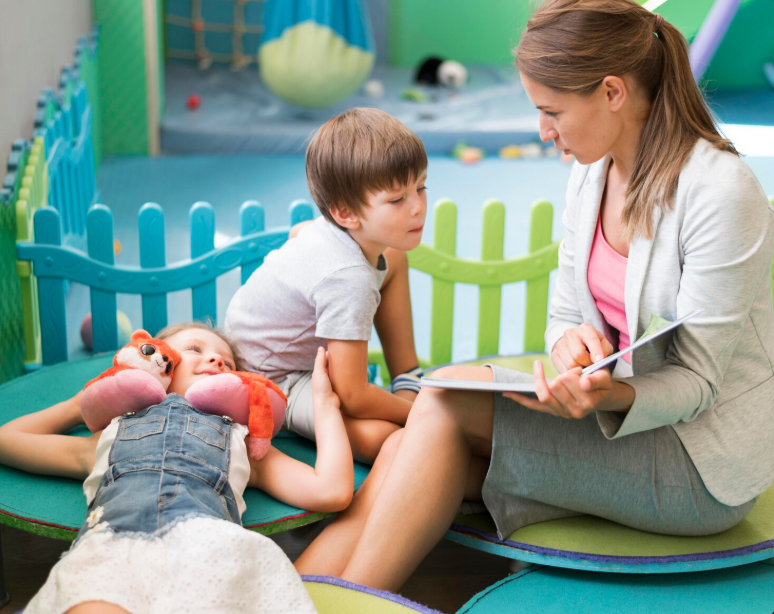
Children learn and develop through activities that promote creativity, movement, communication, and interaction. There are many therapy centers that employ fun and effective means to teach children key life skills. Therapy activities are well planned with the children and are designed to facilitate the children's emotional, social, physical, and communication development.
Children at Blossom Valley Therapy Centre are given an individualized approach to therapy using interactive sessions to develop confidence, learning skills, and life skills.
Why Child Development Activities Matter
All children learn at their own pace, and some children will require additional assistance in order to communicate, concentrate, act, or relate socially. These abilities are developed in children through child development exercises by guiding children to learn and having them engage in structured activities.
These exercises can be used to assist with:
- Better communication skills
- Effective use of time and resources
- Emotional understanding
- The ability to work in groups and interact with others.
- Hand and body coordination
- Classroom readiness skills
Children will feel more confident and learn in a positive environment through therapy sessions.
Popular Therapy Activities For Kids
Child therapy activities are generally based around play, since kids are more likely to learn when it's something they enjoy doing and is natural to them. The activities vary according to the age and developmental level of the child and therapy goals.
Common therapy activities are:
- Games requiring coordination and manipulation of shapes
- Storytelling sessions
- Drawing & Coloring Activities
- Sensory play activities
- Group communication exercises
- Memory improvement games
- Physical movement activities
Therapists at Blossom Valley Therapy Centre design an activities plan tailored to the needs of each child to promote development in a comfortable yet stimulating environment.
Speech Therapy Activities That Improve Communication
Speech and language therapy activities develop confidence and ability in children's pronunciation, listening, and vocabulary. It is particularly beneficial for children with speech delays or any language problems.
Here are some activities that are effective for speech therapy:
- Sound repetition practice
- Picture-naming games
- Rhyming activities with rhymes
- Conversation-building activities
- The students will perform listening and response activities.
- Vocabulary learning exercises
These are all activities that support children's expression in their everyday interactions at home, school, and in social situations.
Child Development Exercises For Better Growth
Child development exercises are essential for enhancing emotional, physical, and learning capabilities. Today, structured exercise is a common technique in therapy centers to assist children in becoming more socially confident and independent.
These exercises can be based on:
- Improved fine motor skill development.
- The ability to control your emotions and be patient.
- Social communication skills
- Attention building activities
- Problem solving abilities
- Daily routine management
A child-friendly environment helps children stay motivated in the process of therapy.
Helping Children Learn Through Fun Activities
Children's therapeutic play is a significant part of the healthy development and confidence-building process. Children learn to improve communication, concentration, emotional awareness, and social interaction skills through interactive learning in a relaxed and supportive environment.
Blossom Valley Therapy Centre offers individual child development exercises and speech therapy activities tailored to the individual needs of each child with care and professional support. Contact us today and give your child the guidance they need to build a brighter future and help them grow and learn.
FAQs
Q: What exactly do therapy activities for children entail?
Therapy activities are planned, purposeful activities to enhance communication, attention, behavior, emotion, learning, and relationship skills of children.
Q: What are the benefits of child development exercises for the children?
Child development exercises focus on guided activities and practice to enhance learning skills, communication, emotional stability, coordination, social interaction, and confidence.
Q: What are some of the typical speech therapy exercises?
Children may be asked to do pronunciation and storytelling exercises, listen to stories, and build their vocabulary through games, rhyming exercises, and conversation-building exercises in speech therapy.
Q: Is therapy able to enhance social interaction?
Yes, children do practice communication, teamwork, sharing, understanding of emotions, and positive interaction with other children and adults through the therapy activities.
Q: Why is it important to use play in therapy?
Play-based learning supports children to maintain a relaxed, motivated, and interested attitude while learning to naturally develop communication, emotional, behavioral, and learning skills.
Q: What criteria are used to choose activities for children's therapy?
Activities are selected according to the child's age, communication needs, developmental problems, behavior, and therapy aims.
Q: Does Blossom Valley Therapy Centre have individual therapy plans?
Yes, Blossom Valley Therapy Centre offers individual therapy programs and activities that are tailored to each child's individual developmental needs and progress.
Q: At what age should parents consider developmental therapy for kids?
If children's communication, behavior, social interaction, learning, attention, or emotions continue to be delayed over time, parents should think about therapy.