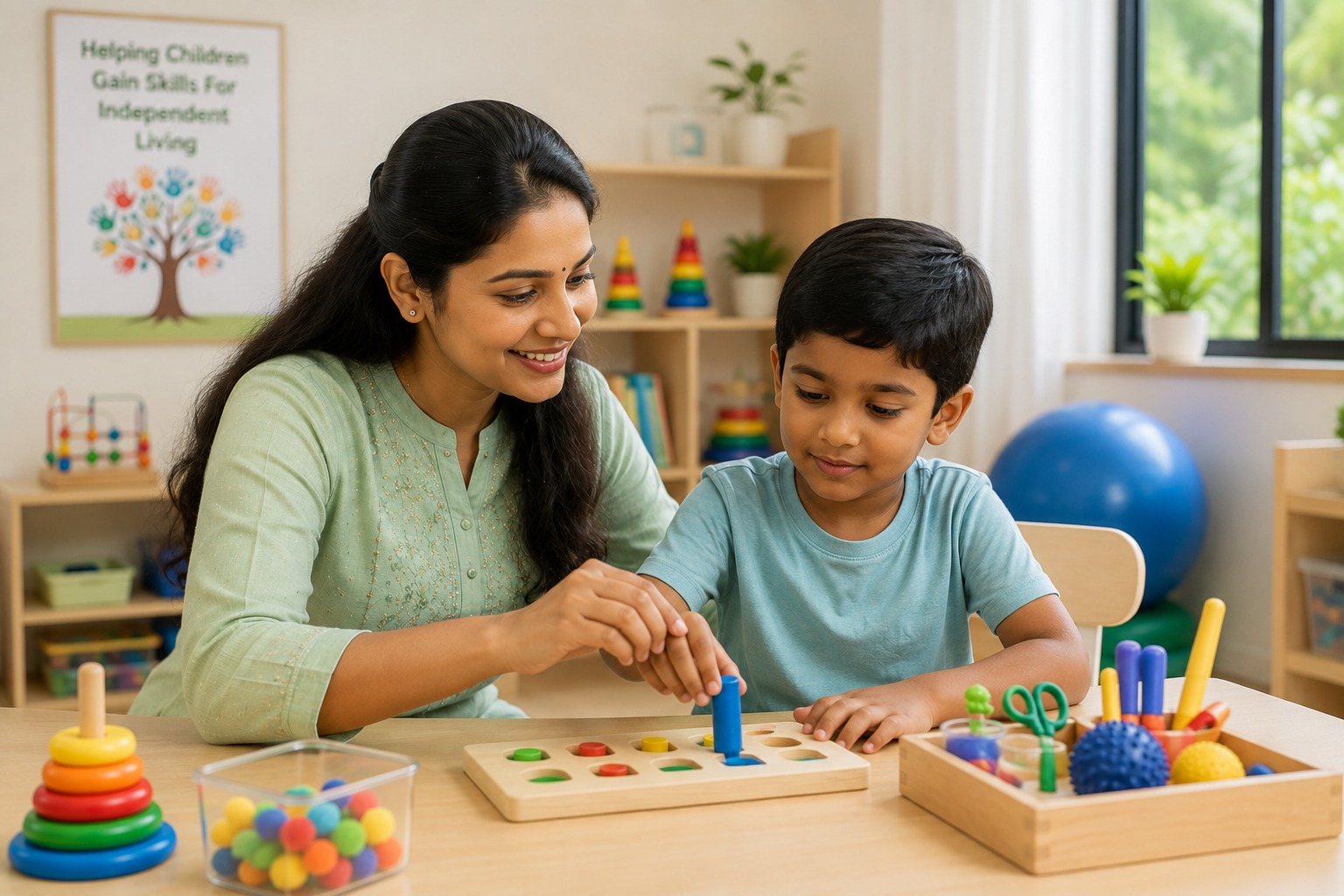
At Blossom Valley Therapy Centre, occupational therapy is designed to help children become more independent in daily routines while improving their ability to learn, communicate, play and interact with the world around them. Every therapy program is personalized following a detailed assessment, ensuring that intervention targets the child's specific strengths and developmental needs.
Why Early Occupational Therapy Makes a Difference
The early years of childhood are critical for developing motor, sensory, cognitive and social abilities. When developmental concerns are identified early, occupational therapy can help children acquire foundational skills before these challenges begin affecting academic performance, self care or social participation.
Early intervention supports children in developing confidence while reducing frustration associated with everyday tasks. As children gradually master new skills, they become better prepared to participate in school activities, family routines and community life.
Rather than focusing only on current difficulties, occupational therapy aims to build lifelong independence by strengthening the skills children will continue using throughout their lives.
Understanding Motor Delay and Its Impact
A Motor Delay occurs when a child takes longer than expected to develop movement related milestones. Some children may struggle with balance, coordination, posture, running, jumping, climbing stairs or using their hands effectively during everyday activities.
Children experiencing a Motor Delay may also have difficulty participating in classroom activities, sports, handwriting, dressing independently or completing age appropriate tasks.
Occupational therapists carefully assess movement patterns before creating individualized intervention plans that gradually improve coordination, strength, balance, body awareness and overall functional movement. With consistent therapy, many children develop greater confidence while becoming more independent in daily activities.
Developing Fine Motor and Gross Motor Skills
One of the primary goals of occupational therapy is strengthening Fine Motor and Gross Motor Skills, which are essential for both academic success and independent living.
Fine Motor Skills
Fine motor skills involve the small muscles of the hands and fingers that enable children to perform precise movements.
Therapy may help improve:
- Pencil grasp
- Handwriting readiness
- Drawing and colouring
- Cutting with scissors
- Buttoning clothes
- Holding eating utensils
- Manipulating small objects
- Hand eye coordination
Improving these abilities allows children to complete school and self care activities with greater confidence and accuracy.
Gross Motor Skills
Gross motor skills involve the larger muscles responsible for movement and balance.
Occupational therapy may focus on:
- Walking and running
- Jumping and hopping
- Climbing stairs
- Balance and posture
- Core strength
- Bilateral coordination
- Body awareness
- Physical endurance
Developing strong Fine Motor and Gross Motor Skills helps children participate more actively in play, sports, classroom activities and everyday routines.
Building Independence Through ADL Skills
Daily routines provide children with opportunities to become more independent. ADL Skills (Activities of Daily Living) refer to the everyday tasks children need to perform independently as they grow.
Occupational therapists work with children to improve ADL Skills such as:
- Dressing independently
- Feeding themselves
- Personal hygiene
- Tooth brushing
- Toileting
- Bathing routines
- Organizing school materials
- Following daily schedules
Rather than completing tasks for the child, therapists teach practical strategies that encourage independence while adapting activities to each child's developmental level.
As children become more successful with these routines, they often develop greater confidence, responsibility and self esteem.
The Importance of Play based Therapy
Children learn best through play. Play based Therapy uses enjoyable, structured activities to teach developmental skills while keeping children engaged and motivated throughout the learning process.
During Play based Therapy, therapists may incorporate activities that encourage:
- Problem solving
- Communication
- Social interaction
- Creativity
- Attention and concentration
- Motor coordination
- Sensory exploration
- Emotional regulation
Because children naturally learn through play, therapy feels enjoyable rather than overwhelming. This approach encourages active participation while promoting meaningful developmental progress across multiple skill areas.
At Blossom Valley Therapy Centre, therapists carefully select age appropriate play activities that align with each child's therapy goals, making learning both effective and enjoyable.
Specialized Feeding Therapy for Toddlers
Eating involves much more than simply chewing and swallowing. Some young children experience feeding difficulties related to oral motor development, sensory sensitivities, texture aversion or behavioural challenges.
Feeding therapy for toddlers helps children become more comfortable with different foods while improving oral motor coordination and healthy eating habits.
Therapy may address:
- Difficulty chewing food
- Limited food preferences
- Sensitivity to textures
- Delayed self feeding
- Poor oral motor coordination
- Mealtime anxiety
- Transitioning to age appropriate foods
Through gradual exposure and individualized intervention, therapists help children develop safer and more enjoyable feeding experiences while reducing stress for families.
The Benefits of Occupational Therapy for Autism
Children with autism often experience differences in sensory processing, communication, motor planning, attention and daily living skills. Occupational Therapy for Autism addresses these challenges through individualized interventions that encourage greater participation in everyday activities.
Therapy may support children by improving:
- Sensory regulation
- Self care routines
- Motor coordination
- Emotional regulation
- Attention and focus
- Play skills
- Classroom participation
- Social interaction
- Independence during daily routines
By focusing on practical, functional skills, occupational therapy helps children become more confident across home, school and community environments while improving their overall quality of life.
Family Participation Strengthens Therapy Outcomes
Parents and caregivers play a crucial role in reinforcing therapy outside the clinic. Occupational therapists work closely with families by providing practical home programs, activity recommendations and strategies that fit naturally into everyday routines.
Simple activities during playtime, mealtimes, dressing, homework or outdoor play become valuable opportunities for children to practice newly learned skills. This consistency between therapy sessions and home environments helps children generalize their progress while achieving long term success.
Why Choose Blossom Valley Therapy Centre?
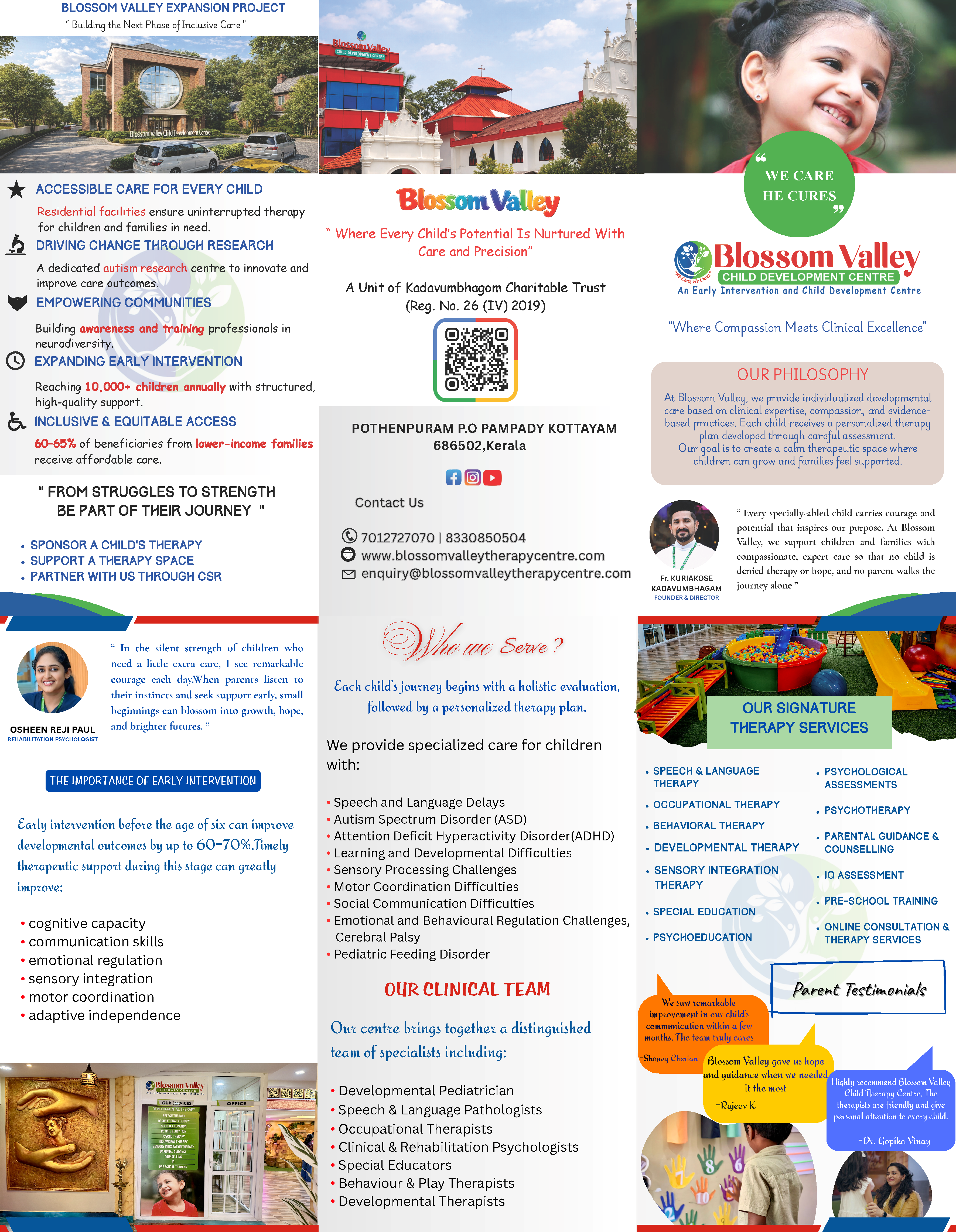
Blossom Valley Therapy Centre offers individualized occupational therapy delivered by experienced therapists within a multidisciplinary child development setting. Every child receives a comprehensive assessment before beginning therapy, allowing intervention programs to target motor development, sensory processing, self care, learning readiness and functional independence.
Using evidence based practices, child friendly activities and close collaboration with families, Blossom Valley Therapy Centre helps children build the confidence and skills needed to succeed in everyday life. Their holistic approach ensures that therapy addresses not only physical development but also emotional, cognitive and social growth, empowering every child to reach their full potential.