Regular evaluations also help therapists monitor progress and modify intervention plans whenever necessary, ensuring therapy continues to meet the child's evolving needs. This structured yet flexible approach enables children to develop skills that can be applied not only during therapy sessions but also at home, school and in social settings.
The Importance of Qualified Behaviour Analysis (QBA)
Successful behavioural intervention begins with accurate assessment and planning. Qualified Behaviour Analysis (QBA) provides a systematic approach to understanding behavioural patterns, identifying learning barriers and developing individualized intervention plans based on scientific principles.
Qualified professionals observe how a child communicates, responds to different situations, interacts with others and manages daily routines. These observations help create realistic, measurable goals that support meaningful development rather than temporary behavioural changes.
As children progress, ongoing assessments ensure that therapy remains effective and continues to address new developmental milestones. This continuous evaluation allows therapists to celebrate achievements while introducing new learning opportunities appropriate for the child's age and abilities.
Supporting Attention Enhancement Through Structured Learning
Maintaining focus can be challenging for many children with developmental differences. Difficulty concentrating may affect learning, communication and the ability to complete everyday activities.
One important objective of ABA Therapy is Attention Enhancement, helping children gradually improve their ability to focus on tasks, follow instructions and remain engaged during learning activities. Through positive reinforcement, structured teaching methods and carefully planned activities, therapists encourage children to extend their attention span naturally without creating unnecessary pressure.
As attention improves, children often become more confident learners, making it easier to participate in classroom activities, family routines and social interactions.
Building Confidence with Social Skills Training
Communication is only one aspect of successful social interaction. Children also need opportunities to understand emotions, develop friendships and participate confidently in different environments.
Social Skills Training within ABA Therapy focuses on teaching practical social behaviours that children can use in their everyday lives. These may include:
- Initiating conversations
- Sharing and taking turns
- Understanding facial expressions and body language
- Responding appropriately during group activities
- Maintaining eye contact when comfortable
- Developing problem solving and cooperation skills
As children practice these skills through structured activities and real life situations, they become more confident in interacting with family members, classmates and the wider community.
Partnering with Families for Better Outcomes
Family involvement plays an essential role in maximizing the benefits of Applied Behaviour Analysis (ABA). When parents and caregivers reinforce the strategies introduced during therapy sessions, children have more opportunities to practice newly learned skills in familiar environments.
Simple daily routines such as mealtimes, playtime, dressing or community outings can become valuable learning experiences. Therapists also provide guidance to parents on encouraging positive behaviours, managing challenges consistently and celebrating progress, no matter how small.
This collaborative approach creates consistency across different environments, helping children apply their skills more naturally and confidently.
Long Term Benefits of ABA Therapy
The primary goal of ABA Therapy is not simply to improve behaviour but to help children develop practical skills that support greater independence and improve their overall quality of life.
Over time, children may demonstrate progress in areas such as:
- Functional communication
- Daily living skills
- Emotional regulation
- Academic readiness
- Self confidence
- Independent decision making
- Positive social interaction
Because every child's journey is unique, therapy is continuously adapted to support long-term development while respecting individual strengths and learning styles.
Why Choose Blossom Valley Therapy Centre?
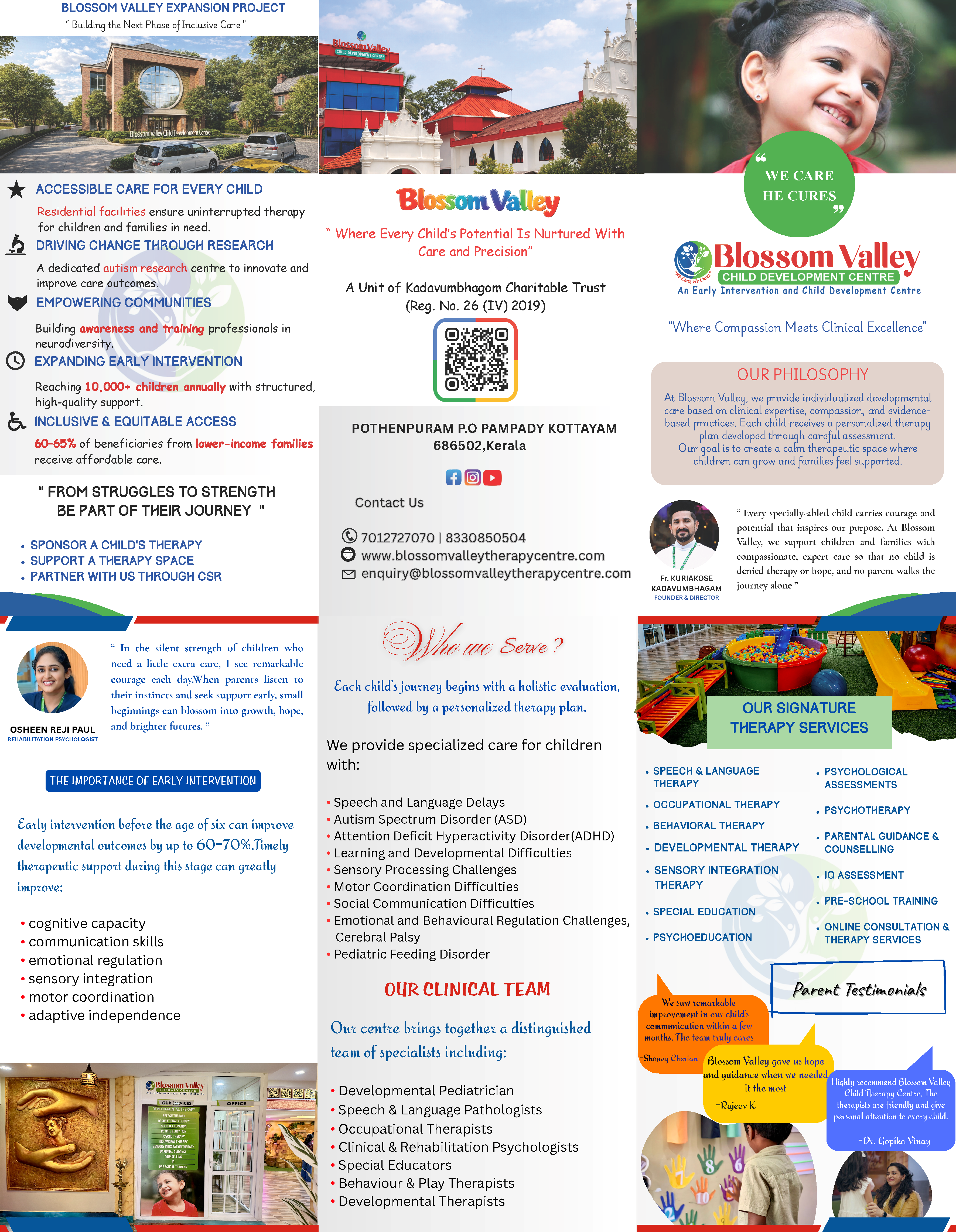
At Blossom Valley Therapy Centre, every child receives individualized care in a supportive and nurturing environment. Their experienced multidisciplinary team develops personalized intervention programs based on each child's developmental needs, helping families achieve meaningful progress through evidence based practices.
By combining professional expertise with compassionate care, Blossom Valley Therapy Centre empowers children to build confidence, strengthen communication and develop essential life skills that support long-term success.