- +918330850504
- enquiry@blossomvalleytherapycentre.com
- Mon – Sat: 8:30 AM – 5:00 PM

- by admin
- September 12, 2026
- No Comments
Understanding Autism Spectrum Disorder: ASD, Virtual Autism and Developmental Regression
Kids develop on their own timelines. Some talk early, some take their time. Some jump into a group of strangers without a second thought, some sit back and watch for twenty minutes before joining in. None of that is unusual on its own.
What does make parents start asking questions is when a child shows ongoing differences in how they communicate, play, interact, or respond to the world around them. That's usually when the term Autism Spectrum Disorder (ASD) comes up.
ASD is a neurodevelopmental disorder. It affects how a child communicates, learns, processes information, and relates to people. Parents researching it online will also run into terms like Virtual Autism and Regression, and honestly, a lot of what's written about them is inconsistent or just confusing. Knowing what these terms actually mean, and what they don't, makes it a lot easier to figure out what to do next without panicking or stalling.
What Is Autism Spectrum Disorder (ASD)?
ASD is a neurodevelopmental condition involving differences in social communication and interaction, plus restricted or repetitive behaviors, interests, or activities.
The "spectrum" part matters. Autism doesn't look the same from one kid to the next. One child might have obvious speech delays. Another might talk in full sentences by age three but struggle to read social cues or handle a change in plans.
Signs parents sometimes notice include:
- Delayed or unusual language development
- Not responding when their name is called
- Limited eye contact or shared attention
- Trouble with back and forth interaction
- Repetitive movements or behaviors
- A strong pull toward routine
- Intense, narrow interests
- Sensory sensitivities — sound, texture, light, smell, touch
- Difficulty with change
- Differences in pretend or imaginative play
None of these signs on its own means a child has autism. Plenty of other things can cause similar behavior. That's exactly why a proper assessment from a qualified professional matters more than a checklist.
Autism as a Neurodevelopmental Disorder
Calling autism a neurodevelopmental disorder means it's tied to how the nervous system develops and functions.
These differences usually show up during early development, though sometimes they become more obvious later, when school, friendships, and social expectations start asking more of a child.
Autism isn't the result of parenting choices. Parents shouldn't blame themselves when concerns come up. The more useful question is what a child's specific strengths and needs look like, and where support could help.
Catching things early gives families and professionals more room to figure out what a child actually needs.

What Is Virtual Autism?
Virtual Autism is a term that's been floating around online to describe autism like behavior some young children develop after very heavy screen exposure early in life.
Worth saying clearly: Virtual Autism isn't a formal medical diagnosis. It isn't a recognized clinical category the way ASD is.
Kids who spend a lot of time on screens, especially when that time replaces face to face interaction, active play, sleep, or conversation, can show behaviors that worry parents: less interaction, delayed communication, shorter attention span, less interest in socializing. That's real. What isn't established is that screen time causes autism.
If a child is showing autism like traits, the right move is a proper assessment, not an assumption that cutting screen time will fix it.
Virtual Autism vs Autism Spectrum Disorder
This distinction trips a lot of parents up, so it's worth spelling out.
ASD is a recognized neurodevelopmental condition with established diagnostic criteria. "Virtual Autism" is a descriptive term some people use when talking about developmental behaviors linked to heavy screen use. Nothing more formal than that.
If a child has communication or social difficulties, cutting back on screens is a reasonable part of a healthier routine. But it shouldn't replace a real evaluation when the concerns are significant. A qualified developmental professional will look at the whole picture (developmental history, communication, social interaction, behavior), not just screen habits.
What Does Developmental Regression Mean?
Regression means a child loses skills they'd already developed.
Say a toddler was using ten or fifteen words, and then stops using most of them. Or a child who used to seek out hugs and eye contact suddenly pulls away. Regression can show up in speech, social interaction, play, motor skills, or other areas.
It's scary for parents to watch, understandably. And it should be taken seriously. A clear loss of previously acquired skills isn't something to wait out.
Regression happens in some kids with Autism Spectrum Disorder, but autism isn't the only explanation. Medical, neurological, developmental, and environmental factors can all play a role.
Any child going through developmental regression should be evaluated by a professional.
Is Regression a Sign of Autism?
Regression can be linked to autism, especially when a child loses language or social skills they'd already built. But regression by itself doesn't add up to an autism diagnosis.
A professional evaluation looks at more than just the regression. Typically that includes:
- Developmental history
- Communication abilities
- Social interaction
- Behavior and play
- Repetitive behaviors
- Sensory responses
- Cognitive and learning development
- Medical history
- When the regression happened and how it unfolded
The more detail parents can give (what changed, when they first noticed it, old videos, developmental records) the easier it is for a professional to piece together what's going on.
Early Developmental Signs Parents Should Not Ignore
Kids develop at different rates, but some patterns are worth flagging rather than waiting on.
It's worth talking to a professional if a child:
- Isn't hitting expected communication milestones
- Rarely responds to their name
- Doesn't point or use other gestures consistently
- Shows little interest in interacting with others
- Struggles with shared attention
- Repeats the same movements or actions often
- Gets extremely upset by small changes in routine
- Reacts unusually to sensory input
- Loses speech, social, or other skills they'd already learned
None of this automatically means something's seriously wrong. It just means it's worth understanding better.
Waiting for a concern to get worse before doing anything about it isn't usually the better strategy. Getting guidance early gives parents a clearer sense of what their child needs.
How Is Autism Spectrum Disorder Identified?
There's no blood test or scan that diagnoses autism on its own.
An assessment usually means gathering a child's developmental history and observing their communication, social interaction, and behavior directly. Depending on the case, that might involve professionals from more than one discipline.
A thorough evaluation helps separate ASD from other conditions that can look similar on the surface.
The point isn't to hand out a label. A good evaluation should leave a family with a clearer picture of their child's profile, and where support could actually help: communication, learning, independence, day to day life.
Supporting a Child With Developmental Differences
Once concerns are identified, support needs to fit the individual kid, not a generic template.
Depending on what a child needs, that might involve:
- Speech and language therapy
- Social communication support
- Occupational therapy
- Behavioral and developmental support
- Sensory regulation strategies
- Play and interaction skills
- Daily living and independence skills
- Coaching for parents
There's no single approach that works for every child. What helps depends on the child's strengths, age, communication level, family situation, and goals.
Parents matter here too. Everyday routines and small interactions are chances for a child to practice communication, play, and independence. None of that requires a clinical setting.
Why Professional Guidance Matters
Information is easier to find online than it used to be, but that hasn't made things clearer. Parents run into claims that one behavior automatically means autism, or that one factor explains everything.
Child development doesn't work that way. It's messier than a checklist.
ASD, Virtual Autism, and Regression each mean something specific, and conflating them doesn't help anyone. Instead of trying to diagnose a child from an online quiz, it's worth talking to a qualified professional when concerns don't go away on their own.
A timely evaluation replaces guessing with an actual answer.
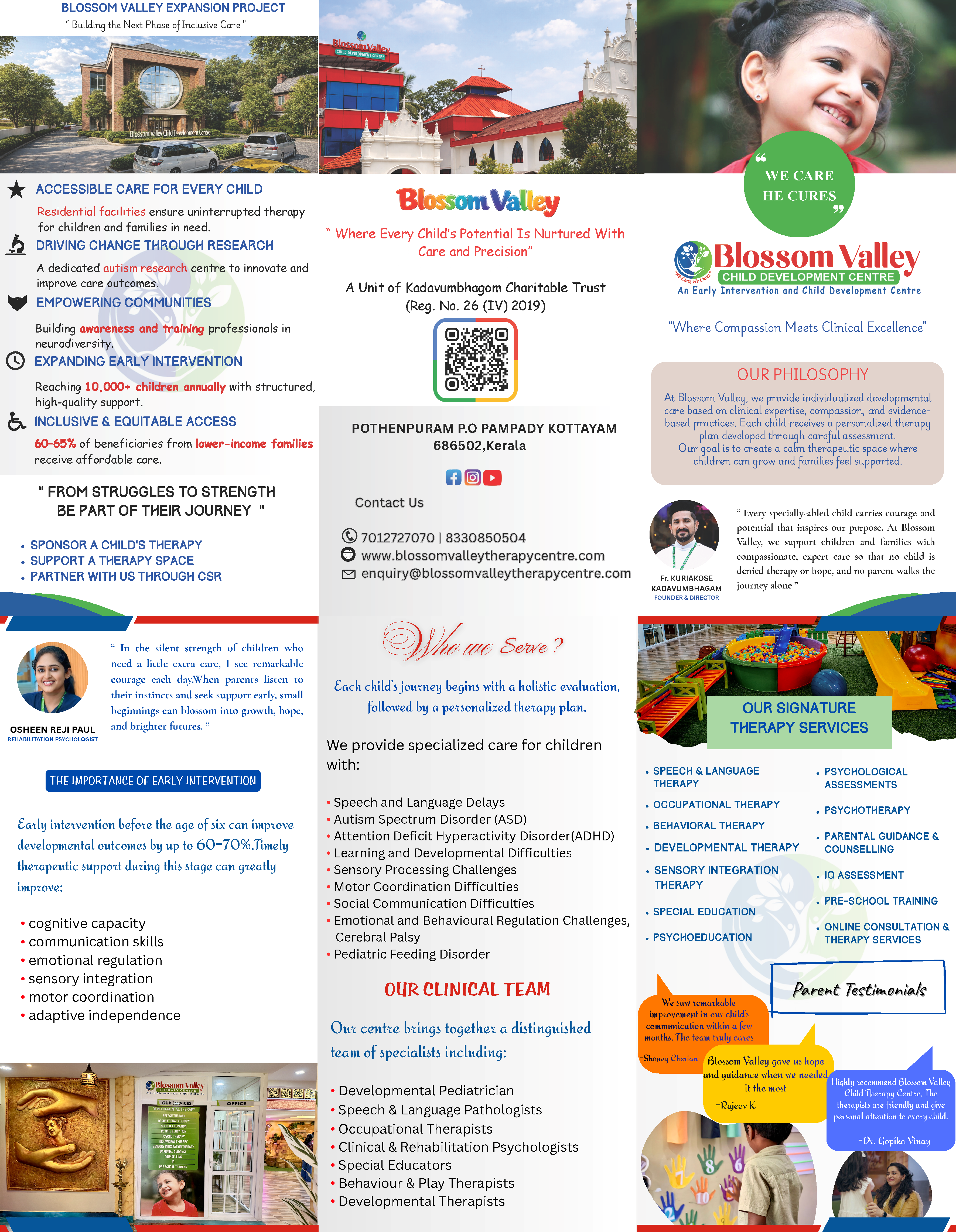
Helping Children Reach Their Potential With Blossom Valley
At Blossom Valley, every child's developmental path looks different, and support should reflect that. Families dealing with concerns around communication, social interaction, behavior, or development in general can benefit from an approach built around their specific child.
Whether the concern is possible Autism Spectrum Disorder, a developmental delay, Regression, or behaviors associated with Virtual Autism, the starting point is the same: understanding the whole child, not just the symptom that prompted the search.
The right support helps families move past the worry stage and into practical steps: building communication, confidence, and independence.
Frequently Asked Questions About ASD, Virtual Autism and Regression
1. What is Autism Spectrum Disorder (ASD)?
A neurodevelopmental disorder involving differences in social communication and interaction, along with restricted or repetitive behaviors and interests. It looks different from one person to the next.
2. Is Virtual Autism an official diagnosis?
No. It's not a formal diagnostic category. It's a term used to describe autism like behavior seen in some children with heavy screen exposure.
3. Can too much screen time cause autism?
There's no solid evidence that screen time causes ASD. But excessive screen use can crowd out sleep, communication, physical activity, and face to face interaction, especially for young kids. That alone is worth addressing.
4. What does regression mean in child development?
Losing a skill a child had already developed, whether in language, social interaction, motor ability, or elsewhere.
5. Is developmental regression always related to autism?
No. It shows up in some kids with ASD, but it has other causes too. Either way, it needs a professional look.
Final Thoughts
Understanding a child's development means looking at the whole picture, not fixating on one behavior or one term picked up online.
Autism Spectrum Disorder (ASD) is a recognized neurodevelopmental disorder. Virtual Autism is a term used in conversations about screen exposure, not a diagnosis. Regression describes losing skills a child already had, and it deserves real attention, not a wait and see approach.
Parents don't have to sort through any of this alone. When something about a child's development feels off, getting a professional opinion tends to bring more clarity than another hour of searching online.
At Blossom Valley, the focus stays on each child's actual needs, and on helping families take steps that fit.