- by Blossom Valley
How Behaviour Modification Therapy Helps Children with Anger, Tantrums, and Social Challenges
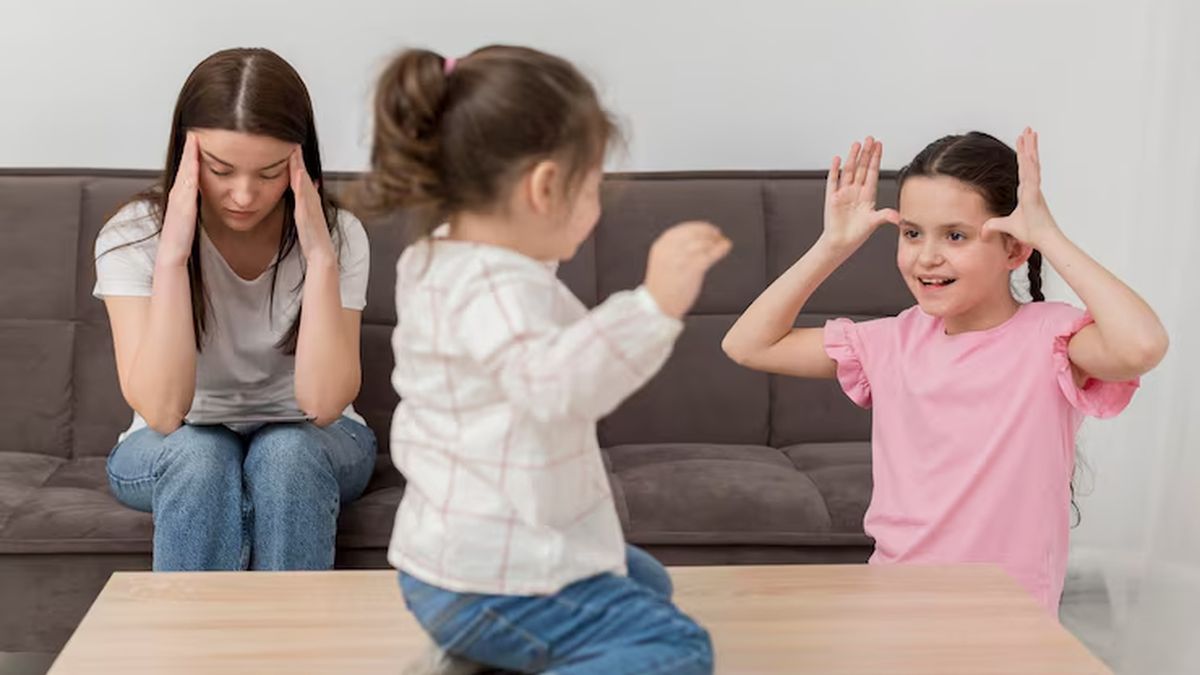
Every child experiences anger, frustration, and emotional outbursts while growing up. A toddler may cry when a favourite toy is taken away, while an older child may struggle with following instructions, making friends, or managing disappointment.
These reactions are often part of normal childhood development. However, when anger becomes frequent, tantrums interfere with everyday activities, or social difficulties affect school and family life, children may need additional guidance.
This is where Child Behavioral Therapy can make a meaningful difference. Through structured support, positive reinforcement, and practical coping strategies, children can gradually learn healthier ways to express emotions and interact with others.
At Blossom Valley, we recognise that understanding a child's behaviour is the first step towards helping them develop confidence, emotional stability, and positive relationships.
Understanding Behavioural Challenges in Children
Children do not always have the language or emotional skills to explain what they are experiencing. Sometimes, the behaviour adults find difficult is actually a child's way of expressing frustration, anxiety, discomfort, or an unmet need.
Common behavioural challenges include:
- Frequent anger, shouting, or emotional outbursts
- Tantrums that are difficult to manage
- Hitting, pushing, or throwing objects
- Difficulty following everyday instructions
- Trouble sharing, waiting, or taking turns
- Avoiding social interactions or group activities
- Difficulty adjusting to changes in routine
It is important to remember that challenging behaviour does not automatically indicate a behavioural disorder. Understanding the child's age, developmental abilities, environment, and emotional needs is essential before deciding what support may be helpful.
What Is Behaviour Modification Therapy?
Behaviour modification therapy is a structured approach that helps children develop positive behaviours while reducing actions that interfere with learning, relationships, and everyday activities.
Rather than simply correcting unwanted behaviour, Behaviour Management & Behaviour Modification focuses on understanding why a behaviour occurs and teaching children more appropriate ways to respond.
For example, a child who throws toys when frustrated may need help learning to ask for assistance, communicate disappointment, or take a short break.
Through appropriate Behavioral Therapy, children can practise these alternatives in a supportive environment.
The objective is not to suppress emotions. It is to help children recognise their feelings, communicate their needs, and develop better ways of handling difficult situations.
How Behavioural Therapy Helps Children Manage Anger and Tantrums
1. Identifying the Reasons Behind Emotional Outbursts
Effective behavioural support begins with understanding what happens before, during, and after a child's outburst.
Anger may be linked to communication difficulties, sensory overload, tiredness, anxiety, frustration, or unexpected changes in routine.
By identifying these patterns, therapists and parents can develop strategies suited to the child's individual needs.
2. Teaching Emotional Regulation Skills
Children often need guidance to recognise and manage strong emotions.
Through age-appropriate activities, behavioral therapy for kids can help children practise identifying emotions, asking for help, using calming techniques, and expressing frustration safely.
For example, a child may gradually learn to say, "I need a break," instead of screaming or throwing objects.
These small changes can make everyday situations easier for both children and their families.
3. Encouraging Positive Behaviour
Positive reinforcement is an important part of behavioural therapy.
When children receive specific praise and encouragement for positive actions, they are more likely to repeat those behaviours.
Recognising a child for waiting patiently, following an instruction, or asking politely can strengthen useful everyday skills.
Consistency is particularly important. Children benefit when parents and caregivers respond to behaviour in predictable, supportive ways.
Improving Social Skills and Relationships
Behavioural challenges do not always involve anger or tantrums. Some children struggle to start conversations, participate in group activities, understand social boundaries, or build friendships.
Child Behavioral Therapy for Kids can support the development of social and communication skills through structured, age-appropriate learning experiences.
Learning Through Guided Activities
Depending on the child's needs, therapeutic activities may focus on:
- Sharing and taking turns
- Understanding personal boundaries
- Expressing feelings appropriately
- Listening and responding to others
- Handling disagreements
- Participating in cooperative play
These skills are especially valuable as children prepare for preschool, school, and more independent social experiences.
Progress often develops gradually through repeated practice and encouragement.
Why Parents Play an Important Role in Behavioural Therapy
A child's progress should not depend entirely on what happens during therapy sessions.
Parents and caregivers play an essential role in helping children apply new skills at home, at school, and in everyday situations.
Effective Behavioral Therapy Services may include parent guidance on establishing routines, giving clear instructions, responding calmly to emotional outbursts, and encouraging positive behaviour.
For instance, maintaining a predictable bedtime routine or preparing a child before changing activities can help reduce frustration.
When families and therapists work together, children have more opportunities to practise and strengthen their developing skills.
Behavioural Support for Children in Kerala: How Blossom Valley Can Help
Every child deserves to be understood as an individual, especially when emotional or behavioural difficulties affect their development.
Blossom Valley, based in Kottayam, Kerala, is dedicated to supporting children's developmental, learning, communication, and behavioural needs.
We believe that behavioural challenges should be approached with patience, understanding, and respect for each child's abilities.
Our child-focused approach recognises the importance of looking beyond the immediate behaviour to understand the child's overall development, emotional wellbeing, and everyday environment.
For families exploring Child Behavioral Therapy in Kerala, Blossom Valley aims to create a supportive setting where children can develop essential life skills while parents gain a clearer understanding of their child's needs.
Our goal is to encourage meaningful developmental progress, strengthen children's confidence, and help families approach everyday challenges with greater understanding.
When Should Parents Consider Behavioural Therapy?
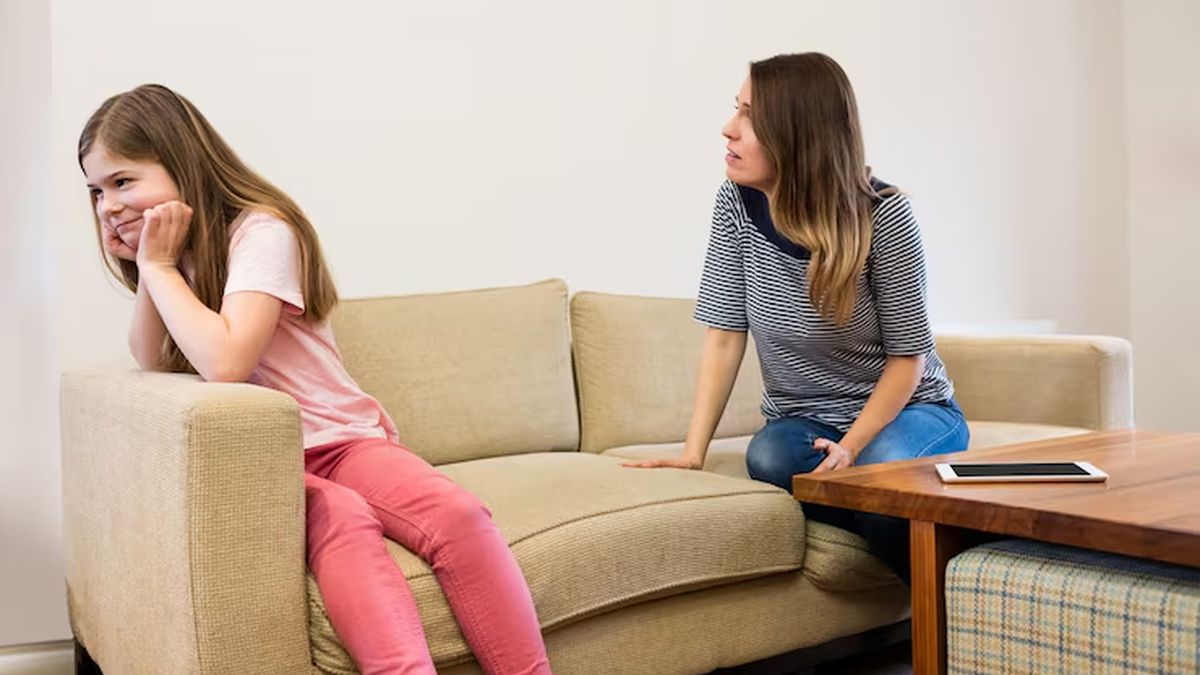
Occasional tantrums and emotional outbursts are common during childhood. However, professional guidance may be valuable when:
- Anger or aggression occurs frequently or becomes unsafe.
- Tantrums regularly interfere with family or school activities.
- The child struggles significantly with peers or social situations.
- Emotional difficulties affect learning or daily routines.
- Parents find it increasingly difficult to manage behavioural challenges.
An appropriate developmental or behavioural assessment can help identify contributing factors and guide decisions about suitable support.
Helping Children Grow with Confidence at Blossom Valley
Behavioural development is a gradual process. Children need time, encouragement, and consistent guidance to develop healthier ways of expressing emotions and building relationships.
With appropriate support, children who experience anger, frequent tantrums, or social challenges can learn valuable skills that improve their participation in everyday life.
At Blossom Valley, we believe that meaningful progress begins with understanding each child's strengths, challenges, and individual developmental needs.
FAQs
1. What is the main purpose of child behavioural therapy?
The purpose of Child Behavioral Therapy is to help children develop emotional regulation, communication, social, and everyday behavioural skills. Therapy focuses on understanding behavioural difficulties and teaching positive alternatives.
2. Can behavioural therapy help children with frequent tantrums?
Yes. Behavioural therapy can help children develop healthier ways to communicate frustration and manage emotions. The approach depends on the child's age, developmental needs, and reasons for the tantrums.
3. Is behaviour modification therapy suitable for young children?
Yes. Age-appropriate behavioural approaches can benefit young children. For preschool-aged children, parent involvement and guidance are often especially important.
4. How long does behavioural therapy take to show improvement?
There is no fixed timeline. Progress depends on the child's individual needs, the behaviours being addressed, the therapeutic approach, and consistency between therapy sessions and home routines.
5. Where can parents seek child behavioural support in Kerala?
Parents in Kerala can contact Blossom Valley in Kottayam to enquire about developmental and behavioural support and discuss an appropriate assessment or referral for their child's needs.